
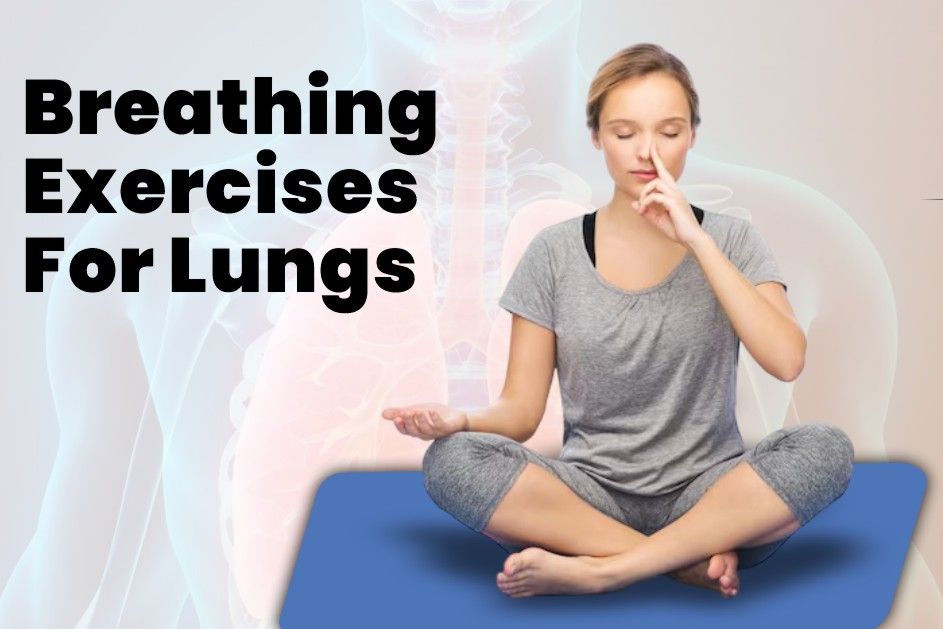
Breathing Exercises for Better Lung Health and Capacity can be a simple addition to your daily wellness routine. Breathing happens automatically, but learning to control your breathing can improve awareness, relaxation, and breathing efficiency. Certain techniques encourage slower, deeper breaths and help you become more comfortable with different breathing patterns during exercise or everyday activities.
Healthy lungs are important for supplying oxygen to the body and removing carbon dioxide. While breathing exercises cannot replace medical treatment or reverse every lung condition, they may support better breathing habits and help some people feel more comfortable during physical activity. The key is to practise gently, consistently, and without forcing your breath.
Why Breathing Exercises Matter for Lung Health
Breathing exercises can help you become more aware of how you breathe. Many people breathe quickly or shallowly when they are stressed, tired, or physically inactive. Practising controlled breathing can encourage a slower rhythm and help the muscles involved in breathing work more efficiently.
Regular practice may also support relaxation and reduce unnecessary tension around the chest, shoulders, and neck. Better breathing control can be particularly useful during exercise because it helps you coordinate your breathing with movement and maintain a comfortable pace.
Diaphragmatic Breathing
Diaphragmatic breathing, sometimes called belly breathing, focuses on using the diaphragm rather than relying heavily on the muscles around the upper chest. When you inhale gently, the abdomen rises as the diaphragm moves downward. When you exhale, the abdomen naturally moves inward.
To practise this technique, lie down or sit comfortably with one hand on your chest and the other on your abdomen. Breathe slowly through your nose and try to keep the movement in your upper chest relatively small while your abdomen rises and falls. Practise for several minutes without forcing deeper breaths than feel comfortable.
Pursed-Lip Breathing
Pursed-lip breathing is a simple technique that encourages slower exhalation. It is commonly taught as a breathing-control technique and may help some people feel less short of breath during activity. The method is easy to learn and can be practised while sitting, standing, walking, or exercising gently.
Start by inhaling slowly through your nose for about two seconds. Then gently purse your lips as though you were going to blow out a candle and breathe out slowly for around four seconds. Avoid forcing the air out. The goal is a relaxed, controlled exhalation rather than taking extremely large breaths.
Box Breathing for Better Control
Box breathing is a structured technique involving equal periods of inhalation, holding, exhalation, and another pause. It is often used to encourage calm breathing and improve awareness of the breathing rhythm. Because it is simple to remember, it can be useful during stressful moments or before physical activity.
A beginner can inhale gently for four seconds, pause for four seconds, exhale for four seconds, and pause again for four seconds. If holding your breath feels uncomfortable, do not force it. You can shorten the timing or practise continuous slow breathing instead.
Slow Breathing Exercises
Slow breathing focuses on reducing the speed of each breath while maintaining comfort. This approach can help you pay closer attention to your breathing pattern and may encourage relaxation. It can be especially useful after a stressful day or during a gentle cool-down following exercise.
Sit upright with relaxed shoulders and breathe naturally through your nose. Gradually slow your breathing without trying to fill your lungs to their maximum capacity. Keep the breath smooth and comfortable, and stop or return to normal breathing if you become dizzy or uncomfortable.
Breathing Exercises for Exercise and Endurance
Breathing becomes especially important during physical activity because your muscles require more oxygen as exercise intensity increases. Learning to coordinate breathing with movement can make workouts feel more controlled. Instead of holding your breath, aim for a steady breathing rhythm that matches the intensity of the activity.
During walking, cycling, or other moderate exercise, try inhaling gently through your nose when comfortable and exhaling steadily. As exercise intensity increases, breathing through both the nose and mouth may become necessary. The goal is not to restrict your breathing but to maintain a rhythm that supports your activity level.
How to Build a Daily Breathing Routine
Consistency is more useful than practising for long periods occasionally. Begin with five minutes of comfortable breathing practice once or twice each day. A quiet morning routine or a few minutes before bedtime can make it easier to develop a regular habit.
As you become more comfortable, you can gradually increase the duration. Combine breathing practice with gentle stretching, walking, or relaxation exercises for a broader wellness routine. Never practise prolonged breath-holding or aggressive breathing techniques simply to increase lung capacity.
Lifestyle Habits That Support Lung Health
Breathing exercises work best when combined with healthy lifestyle habits. Regular physical activity helps maintain cardiovascular fitness and supports the muscles used during movement. Staying active through walking, cycling, swimming, or other suitable activities can help improve overall endurance.
Avoiding tobacco smoke and limiting exposure to polluted or irritating air is also important for lung health. Maintaining good indoor ventilation, staying hydrated, getting adequate sleep, and following a nutritious diet can further support general health and physical performance.
When to Seek Medical Advice
Breathing exercises are not a substitute for professional medical care. If you regularly experience unexplained shortness of breath, chest pain, wheezing, persistent coughing, dizziness, or difficulty breathing, speak with a qualified healthcare professional rather than relying solely on breathing techniques.
People with diagnosed heart or lung conditions should also discuss new breathing exercises with their healthcare provider when appropriate. If severe or sudden breathing difficulty occurs, seek urgent medical attention. Safe breathing practice should always feel controlled and comfortable rather than painful or exhausting.
Conclusion
Breathing Exercises for Better Lung Health and Capacity can help develop greater awareness of breathing patterns while supporting relaxation, breathing control, and exercise comfort. Techniques such as diaphragmatic breathing, pursed-lip breathing, slow breathing, and gentle structured breathing can be practised almost anywhere without special equipment.
The best results come from practising consistently and keeping each session comfortable. Combine breathing exercises with regular physical activity, healthy lifestyle habits, and appropriate medical care when needed. Remember that breathing techniques support healthy habits but cannot replace professional treatment for a lung or heart condition.
FAQs
Can breathing exercises increase lung capacity?
Breathing exercises can improve breathing control and efficiency, but they do not necessarily increase the physical size of the lungs. Regular aerobic exercise can also improve overall respiratory fitness.
How often should I practise breathing exercises?
You can begin with five minutes once or twice a day. Consistent, comfortable practice is generally more useful than occasional long sessions.
Is diaphragmatic breathing good for beginners?
Yes. Diaphragmatic breathing is a simple technique that beginners can practise while sitting or lying comfortably.
Can breathing exercises help with exercise endurance?
They may help improve breathing control and coordination during physical activity. Combining them with regular aerobic exercise provides a more complete approach to improving endurance.
Should I breathe through my nose or mouth?
Nasal breathing can be comfortable during gentle activities, while mouth breathing may naturally become necessary during higher-intensity exercise. Avoid forcing one method when you need more air.
Can breathing exercises reduce stress?
Slow, controlled breathing may promote relaxation and help you manage feelings of tension. Practising for a few minutes can be a useful part of a calming daily routine.
Is it safe to hold my breath during breathing exercises?
Brief pauses are included in some techniques, but prolonged or forced breath-holding is unnecessary. Stop if you feel dizzy, uncomfortable, or short of breath.
When should I avoid breathing exercises?
Avoid forcing breathing exercises when you are experiencing significant breathing difficulty, chest pain, faintness, or other concerning symptoms. Seek appropriate medical advice instead.
