
A workout at home for women: Start Your Fitness Journey Today is a convenient way to become stronger, healthier, and more active without needing a gym membership. Home exercise can fit around work, family responsibilities, travel, and busy schedules. With a small amount of space and a consistent routine, you can improve strength, endurance, flexibility, balance, and overall fitness.
Starting does not mean completing difficult workouts from day one. A successful fitness journey begins with realistic goals and exercises that match your current ability. Bodyweight movements can provide an excellent foundation, while simple equipment can be added later as your strength improves. The key is to focus on consistency rather than perfection.
Why Choose a Workout at Home for Women?
Home workouts offer flexibility that can make exercise easier to maintain. You can choose the time that works best for you and exercise in a comfortable environment. There is also no need to wait for equipment or feel uncomfortable in a crowded fitness centre, which can make starting a new routine less intimidating.
Another advantage is that home training can be adapted to different fitness goals. You might want to improve cardiovascular fitness, strengthen your legs, develop your core, increase mobility, or simply become more active. Your routine can change as your goals and abilities develop.
Benefits of Regular Home Exercise
Regular exercise can strengthen muscles, improve cardiovascular fitness, support healthy bones, and enhance everyday movement. Strength-focused exercises can make activities such as climbing stairs, carrying groceries, and lifting household items feel easier. Consistent movement can also help improve posture, coordination, and balance.
Exercise can benefit mental well-being too. Physical activity may help reduce everyday stress and support better sleep and mood. Creating time for yourself through exercise can also build confidence and encourage healthier habits beyond your workouts.
Getting Started With Bodyweight Exercises
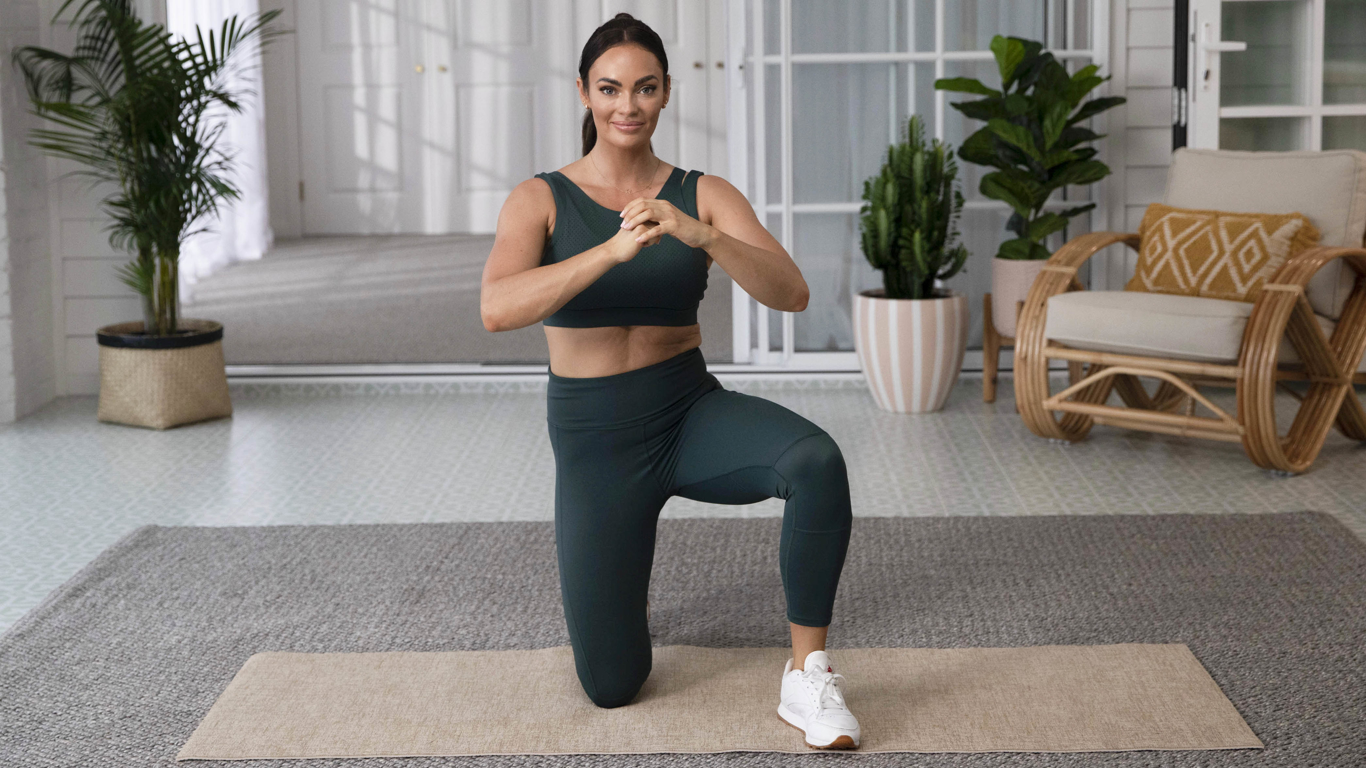
Bodyweight exercises are an excellent starting point because they require little or no equipment. Squats work the major muscles of the lower body, while lunges challenge the legs and improve balance. Push-ups strengthen the chest, shoulders, arms, and core, and modified versions can make them easier for beginners.
Core exercises can also be included in a beginner routine. Planks, bird dogs, and controlled dead-bug movements can help develop core stability. Start with manageable repetitions and focus on controlled technique instead of trying to complete as many repetitions as possible.
Creating a Simple Weekly Routine
A beginner can start with three full-body workouts per week, allowing recovery days between more demanding sessions. Each workout can begin with a few minutes of gentle movement before progressing to strength exercises and light cardiovascular activity. This approach creates a balanced routine without making exercise unnecessarily complicated.
On non-strength days, activities such as walking, gentle stretching, or mobility exercises can keep you moving without placing excessive stress on your muscles. As your fitness improves, you can gradually increase workout duration, repetitions, or exercise difficulty.
Adding Cardio to Your Home Routine
Cardiovascular exercise is useful for improving endurance and supporting heart health. You can raise your heart rate at home with movements such as marching in place, step-ups, jumping jacks, dancing, or low-impact high knees. Choose movements that feel comfortable and adjust the intensity according to your fitness level.
You do not need to perform high-impact exercises to get cardiovascular benefits. Low-impact routines can be highly effective, especially for beginners or anyone who prefers gentler movement. The goal is to find activities you enjoy enough to perform consistently.
Strength Training and Progressive Improvement
Strength training should be an important part of a balanced fitness program. Once basic bodyweight exercises become easier, you can increase the challenge by adding resistance bands, dumbbells, or other simple equipment. Gradually increasing resistance or repetitions encourages your muscles to adapt and become stronger.
Progress should be gradual. There is no need to rush toward advanced exercises or heavy resistance. Improving technique, increasing control, and completing exercises consistently are valuable signs of progress. Over time, these small improvements can produce meaningful changes in strength and fitness.
Nutrition and Recovery
Exercise works best when combined with balanced nutrition and adequate recovery. Include a variety of protein-rich foods, vegetables, fruits, whole grains, and healthy fats in your meals. Protein supports muscle repair, while carbohydrates provide energy for physical activity and recovery.
Rest is equally important. Muscles need time to recover after challenging exercise, so avoid training the same muscle groups intensely every day. Adequate sleep, hydration, and rest days can help you maintain energy and make your workouts more sustainable.
Staying Motivated on Your Fitness Journey
Motivation naturally changes from day to day, so building habits is more reliable than depending on motivation alone. Choose a regular workout time and make your routine realistic enough to fit your lifestyle. Even a short session can be worthwhile when it helps you maintain consistency.
Tracking progress can also make your journey more rewarding. You can record repetitions, workout duration, exercise variations, or how you feel after each session. Focus on improvements in strength, energy, mobility, and consistency rather than judging success only by changes in body weight.
Common Home Workout Mistakes to Avoid
One common mistake is trying to do too much too quickly. Starting with intense workouts every day can cause excessive soreness and make it difficult to maintain your routine. Begin at a manageable level and increase the challenge gradually as your body adapts.
Poor technique is another issue to avoid. Performing an exercise quickly does not necessarily make it more effective. Keep movements controlled, maintain comfortable alignment, and stop if you experience sharp or unusual pain. If you have an injury or specific health concern, consider speaking with a qualified healthcare professional before beginning a new exercise programme.
Conclusion
A workout at home for women: Start Your Fitness Journey Today can provide an accessible foundation for building strength, improving endurance, and developing healthier daily habits. You do not need an expensive gym or complicated equipment to begin. Simple bodyweight exercises, regular movement, balanced nutrition, and adequate recovery can take you a long way.
The most important step is simply getting started and creating a routine you can maintain. Progress gradually, celebrate small achievements, and give your body enough time to adapt. With patience and consistency, home exercise can become an enjoyable part of your lifestyle and a lasting investment in your fitness.
FAQs
Is working out at home effective for women?
Yes. Home workouts can improve strength, endurance, mobility, and overall fitness when performed consistently with appropriate progression.
Can beginners exercise at home without equipment?
Absolutely. Squats, lunges, push-ups, planks, and other bodyweight movements provide an effective starting point without requiring equipment.
How often should women work out at home?
Beginners can start with around three structured workouts each week and gradually increase activity according to their fitness level and recovery.
Can home workouts help with weight management?
Regular exercise can increase physical activity and support healthy weight management when combined with balanced nutrition and sustainable lifestyle habits.
How long should a home workout last?
A beginner session can take around 20 to 40 minutes. Consistency and appropriate intensity are more important than making every workout lengthy.
Should women focus only on cardio?
No. A balanced programme can include strength training, cardiovascular activity, mobility work, and rest to support different aspects of fitness.
What equipment is useful for home workouts?
Equipment is optional, but resistance bands, adjustable dumbbells, an exercise mat, and a stable step can add variety as your fitness develops.
How can I stay consistent with home exercise?
Create a realistic schedule, choose exercises you enjoy, start with manageable sessions, and track improvements so you can see your progress over time.
