

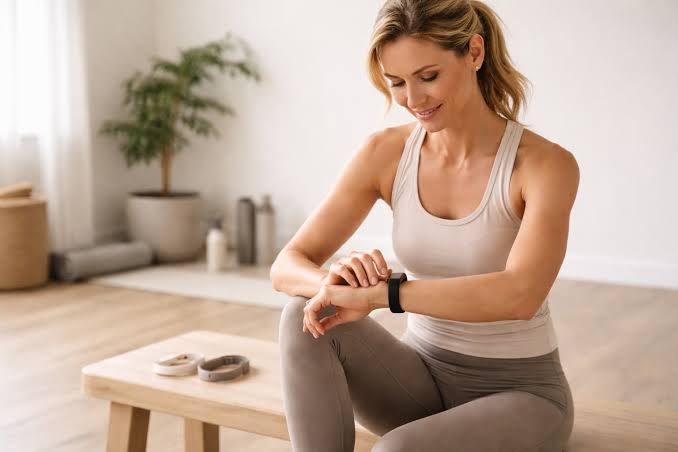
Fitness trackers have evolved far beyond simple step counters. The best fitness tracker in 2026 can monitor workouts, heart rate, sleep, recovery, stress, activity levels, and other useful health trends while helping you stay consistent with your goals. From traditional fitness watches to smart rings and screen-free bands, there are more choices than ever.
Choosing the right device, however, can be confusing. Some trackers are designed for serious athletes, while others focus on sleep and recovery. Some offer built-in GPS and advanced training tools, whereas others prioritize comfort, simplicity, and long battery life. Current 2026 testing highlights options such as the Garmin Vivoactive 6, Fitbit Air, Oura Ring 5, Apple Watch Series 11, and newer screen-free trackers including the Garmin Cirqa.
What Makes a Great Fitness Tracker in 2026
A good fitness tracker should make your health and exercise data easier to understand rather than simply collecting enormous amounts of information. Accuracy, comfort, battery life, useful software, and compatibility with your phone are among the most important factors to consider before buying. A device that you actually enjoy wearing every day can be more useful than a feature-packed tracker that spends most of its time in a drawer.
The market has also changed considerably in 2026. Traditional wrist trackers now compete with smartwatches, smart rings, and screen-free wearables. Modern devices can provide detailed information about sleep, heart rate, recovery, stress, and training, while some models add GPS, notifications, navigation, and other smartwatch functions.
Garmin Vivoactive 6: Best Overall Fitness Tracker
The Garmin Vivoactive 6 is one of the strongest all-around choices for people who want serious fitness features without moving all the way into Garmin’s specialized running or outdoor watches. It combines a color AMOLED display with built-in GPS, extensive activity tracking, sleep insights, recovery-related information, and Garmin’s mature Connect ecosystem. Current 2026 guides from WIRED and TechRadar both place it among the leading fitness trackers available.
Its biggest advantage is versatility. You can use it for walking, strength training, running, cycling, and everyday activity while still getting smartwatch-style features. Battery life is also a major benefit, with TechRadar listing up to 11 days under its stated conditions. For someone who wants one device that can support both everyday wellness and regular exercise, the Vivoactive 6 is a particularly balanced option.
Fitbit Air: Best Simple and Affordable Tracker
The Fitbit Air represents an interesting direction for fitness tracking in 2026. Instead of placing a traditional screen on your wrist, it focuses on essential health and activity information while remaining lightweight and unobtrusive. TechRadar’s recent testing highlights its comfortable design, strong everyday tracking, and battery life of around a week, making it particularly appealing to people who want health data without constant smartwatch notifications.
The lack of a built-in display can actually be an advantage for users who want fewer distractions. It is designed around passive tracking rather than acting as a miniature smartphone on your wrist. The trade-off is that it lacks some features serious athletes may want, including built-in GPS and advanced training tools. For basic activity, heart-rate, and sleep tracking, however, it is one of the most compelling choices of 2026.
Oura Ring 5: Best for Sleep and Wellness
For people who do not want to wear a watch, the Oura Ring 5 provides a discreet alternative. The smart ring is designed around sleep, recovery, activity, stress, and broader wellness information rather than traditional smartwatch functions. Current 2026 reviews highlight its compact design and detailed sleep and readiness insights, making it especially attractive for people who care about understanding how their daily habits affect recovery.
A smart ring also has a different advantage: it does not place a bright display or stream of notifications on your wrist. This can make it easier to wear overnight and throughout the day. The Oura Ring 5 is therefore particularly suited to users who prioritize sleep and wellness over on-screen workout controls, although buyers should consider its pricing and subscription structure when comparing total ownership costs.
Apple Watch Series 11: Best for iPhone Users
For iPhone owners who want fitness tracking combined with smartwatch functionality, the Apple Watch Series 11 remains a strong choice. It provides activity and workout tracking alongside Apple’s broader smartwatch ecosystem, making it useful for people who want notifications, apps, communication features, and health-related tools in addition to exercise data. WIRED lists it as a leading choice specifically for iPhone owners in its 2026 fitness-tracker guide.
The main limitation is compatibility. Apple Watch models are designed around the iPhone ecosystem, so Android users should look elsewhere. Battery life is also generally shorter than that of many dedicated fitness watches and screen-free trackers. Still, if you already use an iPhone and want a device that combines everyday smartwatch convenience with fitness features, the Apple Watch remains difficult to overlook.
Garmin Cirqa: Best Screen-Free Tracker for Fitness Enthusiasts
The Garmin Cirqa is one of the most notable new fitness trackers of 2026. It removes the screen entirely and instead concentrates on collecting health and fitness information that can be reviewed through Garmin’s ecosystem. Its design includes heart-rate monitoring, skin-temperature tracking, Pulse Ox, stress, sleep, HRV, and Body Battery-related data, while its battery can last around 10 days according to recent testing.
The Cirqa is particularly interesting for people who like Garmin’s training ecosystem but do not want another screen demanding attention. It does not include built-in GPS, so connected GPS through a smartphone is needed for location-based activities. It also may feel more complicated than a basic fitness band because Garmin provides a large amount of information. For dedicated fitness users who appreciate detailed data, however, it is a compelling 2026 option.
Xiaomi Smart Band 10: Best Budget Choice
A fitness tracker does not have to be expensive to be useful. The Xiaomi Smart Band 10 stands out as a budget-friendly option for people who mainly want everyday activity and wellness tracking. Recent 2026 testing from Tom’s Guide highlights its low price, color display, extensive activity modes, and battery life of up to 21 days, depending on usage.
This type of tracker makes sense for beginners who want to start monitoring their activity without spending several hundred dollars. It may not provide the depth of training analysis found on premium Garmin watches or the wellness ecosystem of an Oura Ring, but it covers the fundamentals. For step counting, general activity, and basic workout tracking, an affordable band can offer excellent value.
Whoop 5.0: Best for Recovery and Training Insights
Whoop takes a different approach from traditional fitness trackers. Rather than emphasizing a watch display, it focuses heavily on recovery, strain, sleep, and training insights. This screen-free approach makes it attractive to athletes and fitness enthusiasts who want to understand how hard they are training and whether they are adequately recovering between sessions. Current 2026 comparisons continue to position Whoop among the leading screen-free wearable options.
The major consideration is cost. Subscription-based wearables can become significantly more expensive over several years than a tracker that provides its main features without an ongoing fee. This does not necessarily make Whoop a bad choice, but buyers should evaluate whether its recovery-focused ecosystem provides enough value for their particular training style.
How to Choose the Right Fitness Tracker
Start by deciding what you actually want to measure. If your main goal is increasing daily activity, you may not need an expensive sports watch. If sleep is your priority, a smart ring or screen-free tracker may make more sense. Runners and cyclists should look closely at GPS accuracy, training metrics, workout profiles, battery life, and compatibility with their preferred apps.
You should also consider how often you want to charge the device. A smartwatch with daily charging can be inconvenient for people who want continuous sleep tracking, while a fitness band or screen-free tracker may last a week or longer. Current 2026 options range from short-battery smartwatch designs to trackers capable of lasting roughly 10 to 21 days, so battery life is an important part of the buying decision.
Fitness Tracker Features That Matter Most
Heart-rate monitoring is useful for understanding exercise intensity and observing long-term trends. Built-in GPS becomes especially valuable for runners, cyclists, hikers, and anyone who wants distance and route information without carrying a phone. Sleep tracking can help you recognize patterns in bedtime, duration, and recovery, although wearable data should be treated as an estimate rather than a medical diagnosis.
Comfort is equally important. A tracker can have impressive specifications, but those features do not matter if you remove the device every night or forget to charge it. Screenless trackers and smart rings have become increasingly popular partly because they offer a more discreet experience, while traditional watches remain attractive for people who want live workout information directly on their wrist.
Fitness Tracker Accuracy and Privacy
No consumer fitness tracker should be treated as perfectly accurate. Step counts, calorie estimates, sleep stages, heart-rate measurements, and other metrics can vary between devices and circumstances. What matters most for many users is consistency, because consistent measurements can help reveal personal trends over time. Independent 2026 testing has also shown that different wearables can produce noticeably different results when tracking the same activity.
Privacy is another factor that deserves attention. Fitness trackers collect personal information, and the amount of data gathered can be substantial. Before buying, review the manufacturer’s privacy practices, understand what information is stored in the associated app, and consider whether you are comfortable with the data-sharing options. A tracker should support your health and fitness goals without making you uncomfortable about how your information is handled.
Final Verdict: Which Fitness Tracker Should You Buy in 2026?
The best fitness tracker in 2026 depends less on having the longest feature list and more on matching the device to your lifestyle. The Garmin Vivoactive 6 is an excellent all-rounder for fitness-focused users, while the Fitbit Air is a strong choice for simple, distraction-free tracking. The Oura Ring 5 is particularly appealing for sleep and wellness, and the Apple Watch Series 11 remains a natural option for iPhone users.
New screen-free choices such as the Garmin Cirqa have also made the market more interesting by offering detailed health information without putting another screen on your wrist. Meanwhile, affordable bands such as the Xiaomi Smart Band 10 show that useful activity tracking does not have to cost a fortune. Ultimately, the best device is the one that you will wear consistently, understand easily, and use to make sustainable improvements to your daily habits.
Conclusion
Fitness trackers have become powerful tools for monitoring exercise, sleep, recovery, and everyday activity. The best models of 2026 offer a wide range of experiences, from feature-rich smartwatches to minimalist bands and discreet smart rings. Instead of choosing a device simply because it has the most sensors, think about the information you will actually use.
Whether you are beginning a fitness journey, training for an event, improving your sleep routine, or simply trying to become more active, the right tracker can provide useful feedback and motivation. Choose according to your phone, budget, preferred activities, battery expectations, and comfort, and you will be much more likely to keep wearing it.
FAQs
What is the best fitness tracker in 2026?
The Garmin Vivoactive 6 is one of the strongest overall choices because it combines fitness tracking, GPS, smartwatch features, and long battery life.
Which fitness tracker is best for sleep?
The Oura Ring 5 is one of the strongest choices for sleep and recovery-focused tracking because of its discreet design and detailed wellness insights.
Is a fitness tracker worth buying?
A fitness tracker can be worthwhile if you use its information to understand your habits and stay consistent with exercise, sleep, and daily activity goals.
What is the best budget fitness tracker?
The Xiaomi Smart Band 10 is a strong budget option in 2026, offering a wide range of activity tracking features and long battery life at a relatively low price.
Is Garmin better than Fitbit?
Neither is universally better. Garmin generally appeals more to fitness enthusiasts and athletes who want deeper training features, while Fitbit offers simpler health and activity tracking that can be easier for beginners.
Do fitness trackers accurately count steps?
Most modern trackers provide useful step-count estimates, but no consumer device is perfectly accurate. Movement patterns, device placement, and individual walking styles can affect results.
Should I buy a fitness tracker or smartwatch?
Choose a fitness tracker if you primarily want health and exercise data with longer battery life. Choose a smartwatch if you also want notifications, apps, communication, navigation, and other smart features.
Are screen-free fitness trackers worth it?
Screen-free trackers can be excellent for people who want continuous health and fitness monitoring without notifications or distractions. Models such as Fitbit Air and Garmin Cirqa show how strong this category has become in 2026.
