
Starting your first gym workout can feel exciting, but it can also be overwhelming. A Gym Beginner Guide: 5 Common Mistakes to Avoid on Day One can help you approach your first session with confidence and avoid habits that may slow your progress. Many beginners try to do too much too soon, copy advanced exercises, or spend their entire workout testing their limits. A better approach is to learn the basics, focus on technique, and build a routine you can maintain.
Your first day should not be about proving how strong you are. It should be about becoming comfortable with the gym environment, understanding how exercises work, and learning how your body responds to training. With patience and consistency, your first workout can become the beginning of a sustainable fitness journey.
Why Your First Day at the Gym Matters
The first gym session creates the foundation for your future training habits. Learning proper movement patterns from the beginning can help you exercise more efficiently and reduce the chance of developing poor technique. It is also an opportunity to understand how equipment works and discover which exercises feel comfortable for your fitness level.
A successful first day does not need to leave you exhausted. You should finish feeling that you accomplished something positive and could return for another session. Starting gradually gives your muscles, joints, and nervous system time to adapt to a new form of physical activity.
Mistake One: Trying to Lift Too Much Weight
One of the most common beginner mistakes is choosing weights that are too heavy. Some new gym members believe heavier weights will produce faster results, but excessive resistance can make proper technique difficult. Poor form can place unnecessary stress on muscles and joints and may increase the likelihood of injury.
Instead, begin with a manageable resistance that allows you to control every repetition. Your final repetitions should feel challenging while still allowing you to maintain good posture and movement. As your technique and strength improve, gradually increase the resistance rather than making large jumps.
Mistake Two: Skipping the Warm-Up
Walking straight from the changing room to heavy exercises without warming up is another common mistake. A warm-up gradually increases blood flow, raises body temperature, and prepares your muscles and joints for movement. It can also help you mentally transition into your workout.
Spend several minutes performing light cardiovascular activity followed by dynamic movements that reflect the exercises you plan to perform. For example, bodyweight squats and controlled arm movements can prepare you for lower- and upper-body exercises. Keep the warm-up purposeful rather than exhausting yourself before the main workout begins.
Mistake Three: Copying Advanced Gym Members
It is easy to watch experienced people in the gym and assume that their workout should become your workout. However, advanced lifters may have years of training experience, different goals, and different physical abilities. Attempting complex exercises before developing basic strength and movement control can create unnecessary challenges.
Focus on learning fundamental exercises first. Squats, rows, presses, lunges, and controlled core movements can provide an excellent foundation. Once you understand these patterns and become stronger, you can gradually introduce more advanced exercises that match your ability.
Mistake Four: Ignoring Proper Exercise Form
Proper form is one of the most important parts of effective strength training. Rushing through repetitions, using momentum, or allowing your posture to collapse can reduce the effectiveness of an exercise and increase unnecessary stress on your body. Beginners should prioritise movement quality over the number displayed on a weight stack or dumbbell.
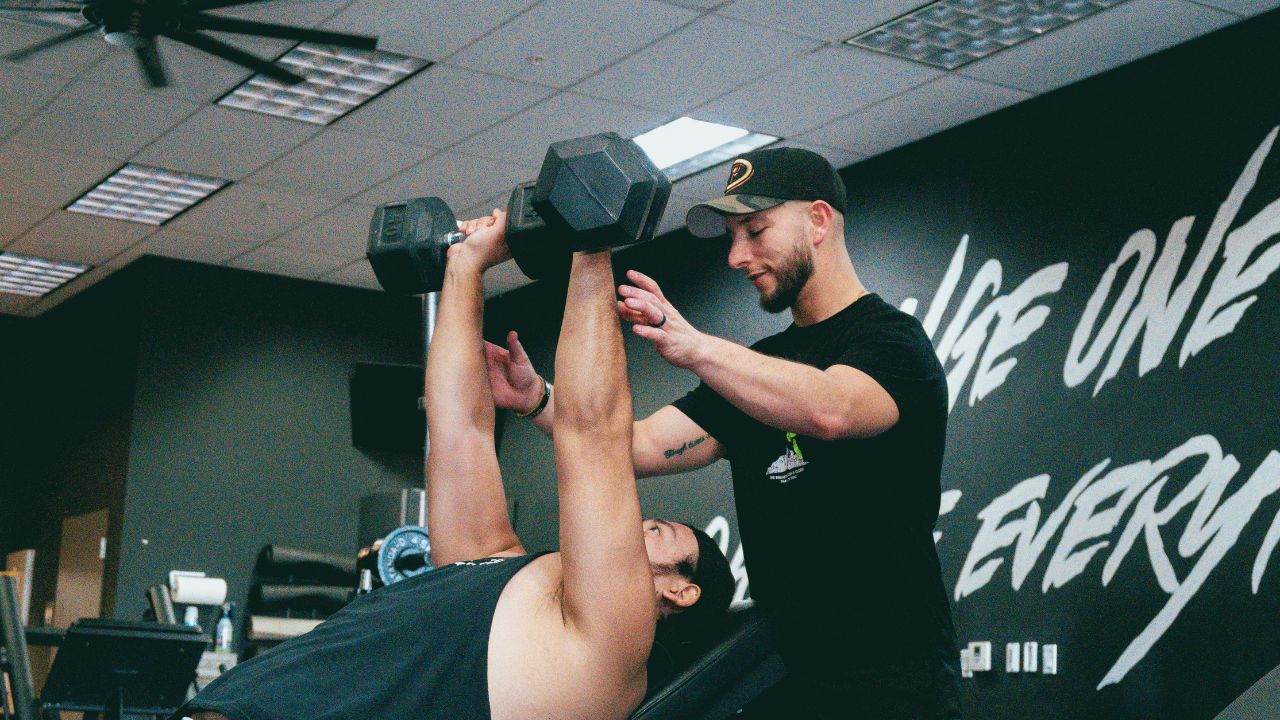
If you are unsure how to use a machine or perform an exercise, ask a qualified fitness professional for guidance. Start with slow, controlled repetitions and pay attention to how your body moves. Learning correct technique early can make future workouts safer and more productive.
Mistake Five: Doing Too Much on Day One
Another common mistake is turning the first workout into an extremely long session. Beginners sometimes perform dozens of exercises because they want to train every muscle immediately. This approach can cause excessive soreness and fatigue, making it difficult to return to the gym consistently.
A simple full-body session is often a better starting point. Give your muscles enough time to recover before training them intensely again. Fitness progress comes from repeated training over weeks and months, so there is little benefit in exhausting yourself during your first visit.
How to Structure Your First Gym Workout
A beginner-friendly workout can start with a short warm-up followed by several basic movements that target the major muscle groups. You might combine a leg exercise, a pushing movement, a pulling movement, and a core exercise while using light or moderate resistance. Perform each movement with controlled technique and take enough rest to maintain good form.
Your first session should also help you learn the gym environment. Pay attention to how equipment is adjusted, where weights are stored, and how different machines work. Becoming familiar with the space can make future visits less stressful and help you develop confidence.
Recovery After Your First Workout
Recovery begins as soon as your workout ends. Drink enough water and eat balanced meals containing protein, carbohydrates, healthy fats, fruits, and vegetables. These nutrients provide energy and support the body’s normal recovery processes after exercise.
Sleep is equally important for beginners. Your body needs adequate rest to adapt to physical training. Mild muscle soreness can occur after your first few workouts, but severe pain, swelling, or unusual symptoms should not be ignored. Give yourself time to recover before increasing your training volume.
Building a Long-Term Gym Habit
The most important lesson for a beginner is that consistency matters more than intensity. A realistic schedule that you can follow week after week is more valuable than an aggressive programme that quickly becomes difficult to maintain. Start with achievable sessions and gradually increase your workload as your fitness improves.
Tracking your workouts can also help you stay motivated. Record the exercises you perform, the resistance used, and how you feel during each session. Seeing gradual improvements in strength, endurance, and technique can encourage you to keep going even when physical changes are not immediately visible.
Conclusion
A Gym Beginner Guide: 5 Common Mistakes to Avoid on Day One can make the transition into gym training much easier. Avoid lifting excessive weight, skipping your warm-up, copying advanced exercises, ignoring technique, and doing too much during your first session. These simple changes can help you create a safer and more enjoyable introduction to strength training.
Your first day is only the beginning of your fitness journey. Focus on learning, building confidence, and developing habits that you can maintain for the long term. With proper technique, gradual progression, balanced nutrition, and enough recovery, your early gym sessions can become the foundation for lasting strength and better overall fitness.
FAQs
Should beginners go to the gym every day?
No. Beginners generally need recovery between challenging workouts. Start with a manageable schedule and allow your muscles time to adapt.
How much weight should I lift on my first day?
Choose a resistance that allows you to complete your repetitions with controlled technique. Avoid selecting weights simply because they look impressive.
Should I warm up before strength training?
Yes. A short warm-up prepares your body for exercise and can help you move more comfortably during your workout.
How long should a beginner gym workout last?
A first workout can be around 30 to 60 minutes, including your warm-up and rest periods. Quality is more important than spending hours in the gym.
Can I be sore after my first workout?
Yes. Some muscle soreness is common when you begin exercising. However, severe or sharp pain is not considered normal workout soreness.
Should I use machines or free weights first?
Both can be useful. Beginners may find machines easier for learning certain movement patterns, while light free weights can help develop coordination and stability.
When should I increase the weight?
Increase resistance gradually when you can perform your current repetitions with good form and the exercise no longer feels sufficiently challenging.
What should I eat after my first gym workout?
A balanced meal containing protein, carbohydrates, vegetables or fruit, and healthy fats can support energy needs and normal recovery.
