

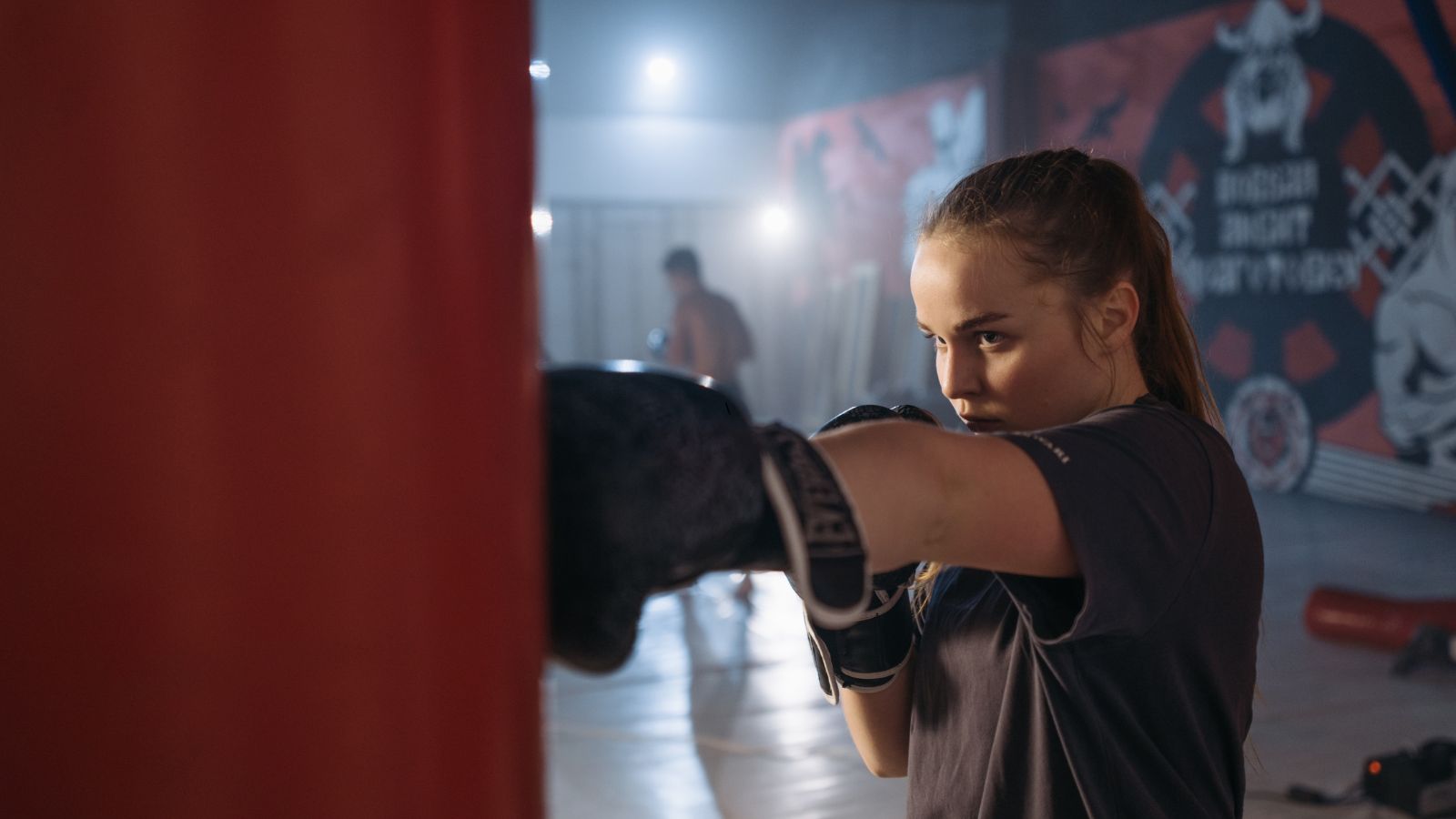
The journey to building a successful home gym begins with one essential piece: How to Choose a Punching Bag for Home. These versatile tools offer more than casual fitness—they provide structured training that improves coordination, endurance, and mental focus while delivering affordable, space-efficient exercise. As busy schedules demand quick, effective options, this guide breaks down the decision-making process into simple, actionable steps that deliver results in minutes rather than hours of trial and error. From understanding installation requirements to matching material durability with your training intensity, every detail ensures you invest wisely and enjoy years of consistent use. Readers will find practical insights that eliminate guesswork, allowing immediate setup and maximum return on your fitness investment.
Understanding Different Types of Punching Bags for Home Use
Specialty options expand possibilities further. Speed bags train hand-eye coordination and rhythm through rapid rebounds, while teardrop or banana-shaped models accommodate low kicks and body shots common in Muay Thai and MMA. Water-filled aqua bags offer softer impact for joint-friendly sessions, and adjustable-height designs accommodate multiple users or growing children. Each type balances stability, mobility, and training specificity, allowing you to select one that matches your primary focus without overcomplicating the purchase.
Determining the Right Weight and Size for Your Punching Bag for Home
Length matters too. Shorter bags under four feet suit upper-body boxing drills and speed work, whereas longer models over five feet support full-range kicks and knees. Home users benefit from measuring their training area first—ensuring at least three feet of clear space on all sides—to prevent collisions and maintain natural swing paths. This straightforward calculation prevents frustration and maximizes the punching bag for home as a reliable conditioning tool rather than a source of inconvenience.
Considering Installation Requirements and Space for Punching Bags for Home
Space constraints often favor freestanding punching bags for home because they move easily and adapt to living rooms or basements without permanent modifications. Yet even these benefit from measuring doorways, furniture placement, and maximum swing radius to avoid damaging walls or neighbors. Professional installation costs vary, but many users achieve secure setups through DIY with heavy-duty hardware. Selecting the correct punching bag for home starts with honest assessment of your structural capacity and daily routine, ensuring the equipment enhances rather than complicates your training environment.
Evaluating Materials and Fill Options for Durability in Punching Bags for Home
Fill materials significantly affect shock absorption and longevity. Shredded fabric and old clothing mimic human tissue for natural give and joint-friendly impact, while sealed sand adds firmness for power development. Water-filled designs distribute force evenly to protect wrists, and foam cores enhance cushioning. Pre-filled bags arrive ready, but custom filling with layered techniques prevents bottoming out and ensures even wear. Choosing the right punching bag for home means balancing material resilience with fill compatibility to your training style and maintenance preferences.
Assessing Budget, Value, and Longevity in Punching Bag for Home Choices
Longevity factors include double-stitched construction, reinforced bases, and user-friendly maintenance features. Quality synthetic leather bags routinely last five to seven years with proper care, while genuine leather models exceed a decade when conditioned regularly. Reading recent reviews and checking return policies prevents buyer’s remorse. Investing modestly in a durable punching bag for home pays dividends through consistent training motivation and reduced replacement costs over time.
Implementing Safety Practices and Maintenance for Punching Bags for Home
Maintenance routines extend equipment life dramatically. Wipe down synthetic leather surfaces weekly with mild soap, tighten straps periodically, and store bags dry when not in use. Rotate hanging positions to prevent uneven wear. Incorporating a punching bag for home into your routine responsibly transforms potential hazards into reliable training companions that support safe, progressive development for years to come.
Conclusion
Selecting the perfect punching bag for home empowers your fitness journey with targeted power, endurance, and precision that portable equipment alone cannot match. The thoughtful process outlined here—matching type to goals, verifying space and support, and prioritizing quality materials—ensures you receive consistent resistance that challenges and rewards every session. By investing time upfront in evaluation rather than reactive purchases, individuals cultivate sustainable habits that deliver measurable improvements in strength, coordination, and overall well-being.
Long-term success with a punching bag for home hinges on matching equipment to lifestyle realities while committing to proper setup and care. This approach minimizes frustration, maximizes enjoyment, and builds a foundation for ongoing training progress that extends far beyond initial workouts. Embracing the right choice creates a motivating daily ritual that sustains motivation and delivers visible results month after month.
FAQs
What is the best type of punching bag for home use?
Freestanding punching bags for home dominate recommendations for most households because they require no installation and adapt to any room. Hanging models suit dedicated spaces with strong structural support, while speed bags excel for rhythm-focused training. The ideal choice depends on your space constraints and training intensity, with freestanding options offering the fastest path to consistent workouts.
How much should a punching bag for home weigh?
A punching bag for home should weigh approximately half your body weight for balanced resistance. Beginners benefit from slightly lighter models around forty to seventy pounds, while intermediate users prefer seventy to one hundred pounds. This guideline prevents excessive swinging or strain and allows natural rebound that develops coordination effectively.
Do I need special hardware for a punching bag for home?
Heavy-duty mounts, chains, and swivels are essential for hanging punching bags for home to handle dynamic forces safely. Freestanding models rely on wide, filled bases for stability. Always use hardware rated well above your bag weight and confirm structural support before proceeding with any installation.
Can I use a punching bag for home with multiple people?
Absolutely. Adjustable-height or multi-user freestanding punching bags for home accommodate families and roommates. Rotate users and maintain clear safety zones to prevent collisions while allowing everyone to benefit from the same high-quality conditioning tool.
How long does a punching bag for home last with proper care?
Quality punching bags for home routinely last five to ten years with regular maintenance, proper filling, and periodic tightening. Synthetic leather models hold up exceptionally well indoors, while genuine leather exceeds a decade when conditioned. Consistent care prevents premature wear and preserves performance.
What fill material is safest for punching bags for home?
Shredded fabric and old clothing provide the most natural, joint-friendly impact that mimics human tissue. Water-filled designs offer softer resistance, while sealed sand adds firmness for power work. Avoid loose sand that compacts over time and creates uneven feel.
Is a punching bag for home noisy, and how can I reduce it?
Hanging models generate sound from chains and impacts, yet rubber dampeners and swivels significantly mitigate noise. Freestanding punching bags for home stay relatively quiet due to minimal swing. Placement in dedicated areas or with additional padding further reduces disturbances for shared living spaces.
Where can I buy a punching bag for home that fits my budget and needs?
Major retailers, online stores, and specialty fitness shops stock diverse options from budget to premium. Comparing recent reviews, checking return policies, and reading specifications helps locate the perfect punching bag for home that matches your goals, space, and financial parameters.
